The Fall of the Dragons
There was a time when the sky had voices, and the Ashen Silence still shapes every throne in Dragonheim.
Open world history →
A dangerous realm of kingdoms, relics, guilds, and histories written in dragonbone.
Track Dragonheim Online world history through kingdoms, duchies, counties, map records, and shard chronicles tied to evolving player conflict.
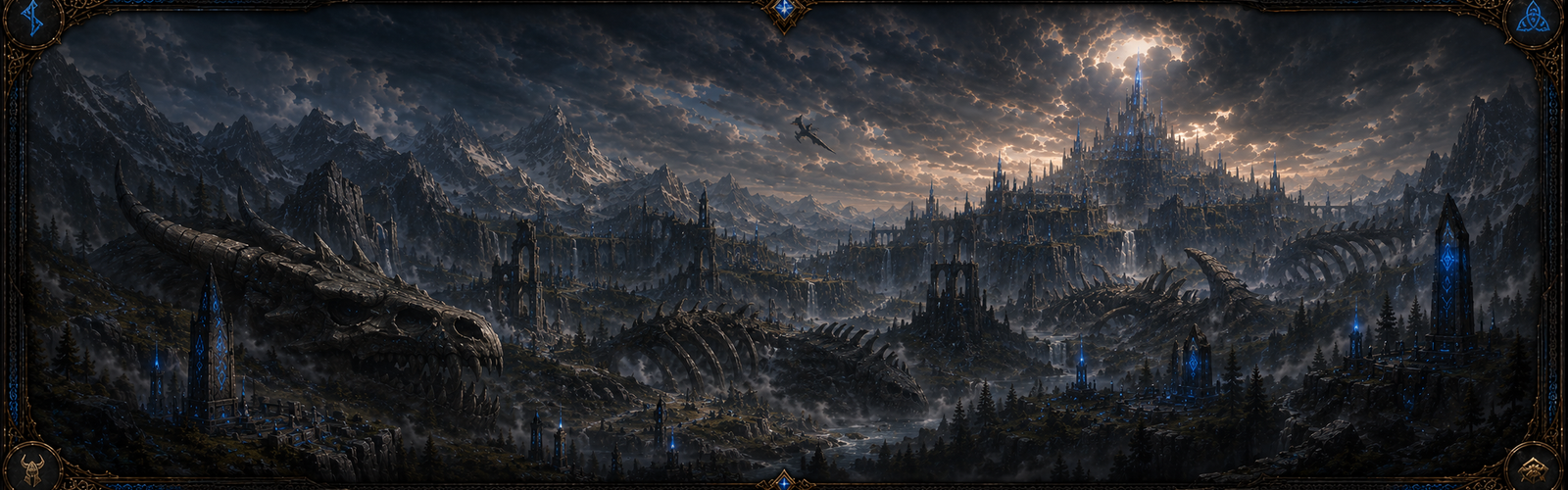
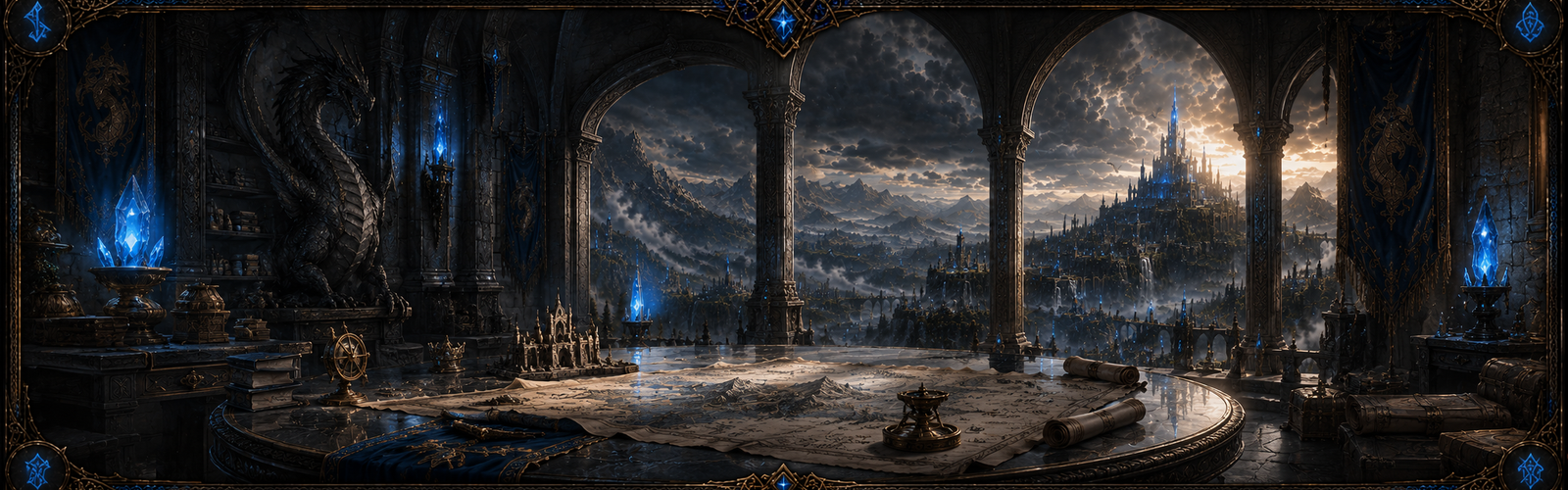
Dragonheim’s world is intentionally compact, legible, and politically meaningful. The website should make the structure of power feel tangible, from crownlands to local county roads.
There was a time when the sky had voices, and the Ashen Silence still shapes every throne in Dragonheim.
Open world history →
Ancient bloodlines, dragonbone remains, and old battlefields continue to define territory and belief.
Open world history →
The launch realm remains intentionally compact and shard-friendly instead of sprawling endlessly outward.
Open world history →
Each kingdom page is intended to expose public rulers, duchies, counties, political history, resources, local laws, and later shard-specific historical records.
Agrarian roads, manor law, and disciplined frontier levies anchor the western launch corridor.
Open kingdom record →
Ash-black keeps, old dragon battlefields, and relic politics define the central crownlands.
Open kingdom record →
Forest trade, river fortresses, and noble rivalries shape the eastern routes and border law.
Open kingdom record →
Duchies, counties, and the neutral heartland now have dedicated archive routes so local law, terrain identity, and district governance are no longer implied-only lore.
1 published heartland district record • 4 published shard chronicles • 4 judicial records
The world section now publishes chronicle entries for major eras, settlement compacts, relic-era political changes, and player-driven shard events instead of only referencing future timeline work in copy.
Track coronations, succession disputes, guild milestones, and server-first clears through a public archive that ties community history back into the world record.
The first public coronation ceremony on the launch shard became the template for how realm legitimacy is recorded across community and lore surfaces.
Open shard chronicle →
A succession dispute around relic custody forced moderators, lore archivists, and guild diplomats to treat shard politics as durable public history.
Open shard chronicle →
Aurelfen-1 logged the first guild charter recognized jointly by county officers, river toll houses, and forum witnesses.
Open shard chronicle →
Ecological and biological documentation from ranger reports, duchy archives, and field expeditions conducted across the three kingdoms.
Field records of known creatures, drakes, undead, and spectral entities encountered across the kingdoms. Includes habitat, threat level, and lore notes.
Open Bestiary →Geographic zone profiles covering climate, known hazards, resource availability, and territorial political notes for each major landscape type.
Open Biomes →World archives stay useful when connected to active systems, community channels, release plans, and support documentation.